

A lot that’s clean, grubbed and graded before the slab crew shows up. If you’re a builder, you already know what a lot that isn’t ready costs you in rescheduling.
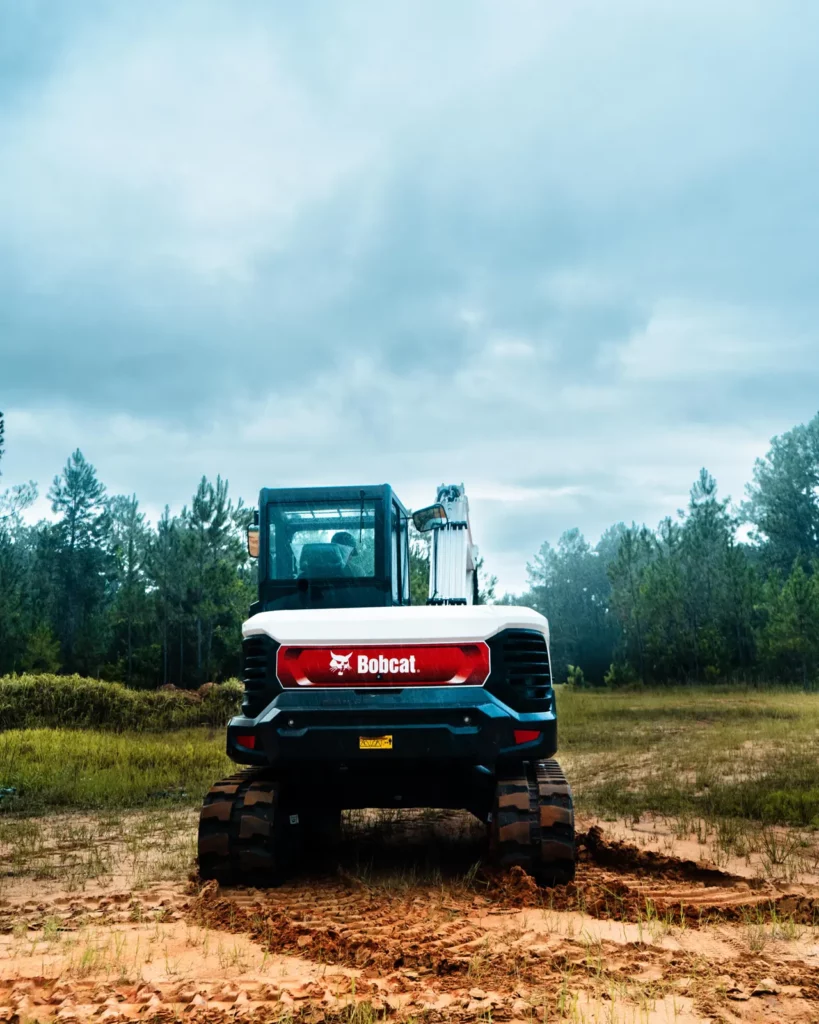
A lot is either ready on the day the next trade arrives or it isn’t, and everything downstream of it moves. Concrete gets rescheduled. The framer takes another job. On a self-build, a rate lock or a construction draw can be sitting on that date.
So we schedule backwards from your pour date rather than forwards from ours, and we tell you a real start day rather than an optimistic one. One operator means a finite number of machine-days a month, which is exactly why we won’t promise a date we can’t hold.
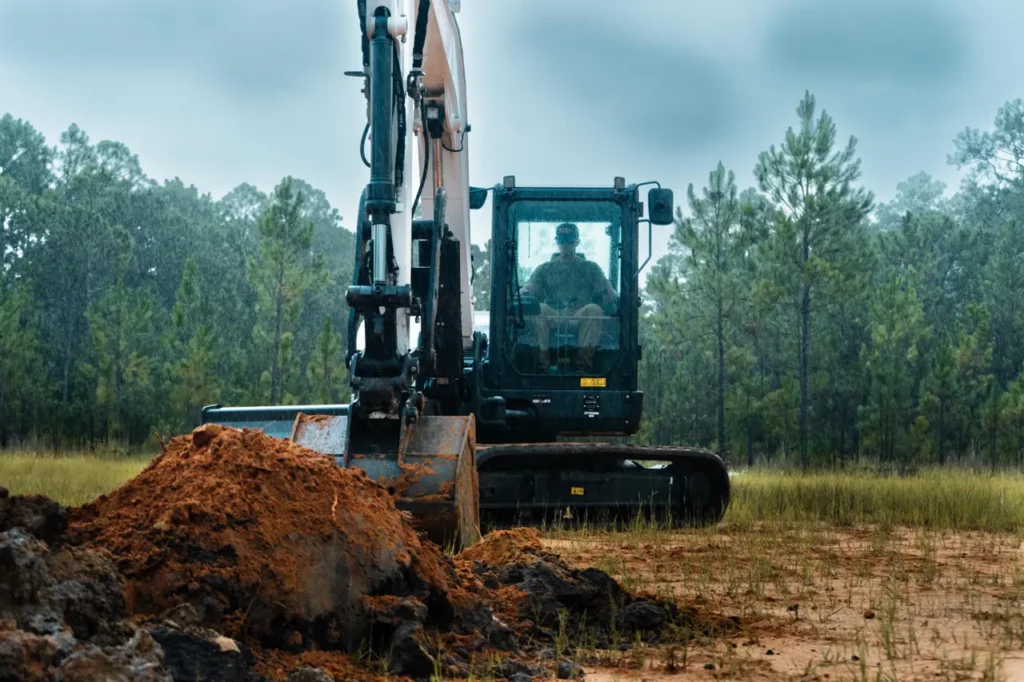
We rough grade the cleared ground. We do not build up, shape and compact a pad to an engineered specification with a density test behind it, that’s a grading contractor’s job and we’ll tell you so rather than take it on.
We don’t cut ditches or install drainage. If your site needs it, it’s a separate contractor.
We mulch or windrow on site. Removing it from the property is somebody else’s truck.
Separate trade, and usually permitted.
We’ll clear for it and we’ll work around a perc test. Installing it is a licensed installer’s job.
If your permit requires silt fence and inlet protection to a drawing, that’s specified work, tell us at quote.
People close on a wooded lot, then find out what clearing it costs. Sometimes the number is twice what they assumed, and occasionally the buildable area is smaller than the parcel map suggested once you account for setbacks and a wet corner. We’ll walk a lot you’re under contract on and give you a real number before you’re committed. That visit costs you nothing and it has changed people’s minds.
If you’re putting up more than a couple of houses a year in this county, a standing arrangement is worth more to both of us than one-off quotes. Consistent pricing, priority on the schedule, and one phone number. Builders and contractors →
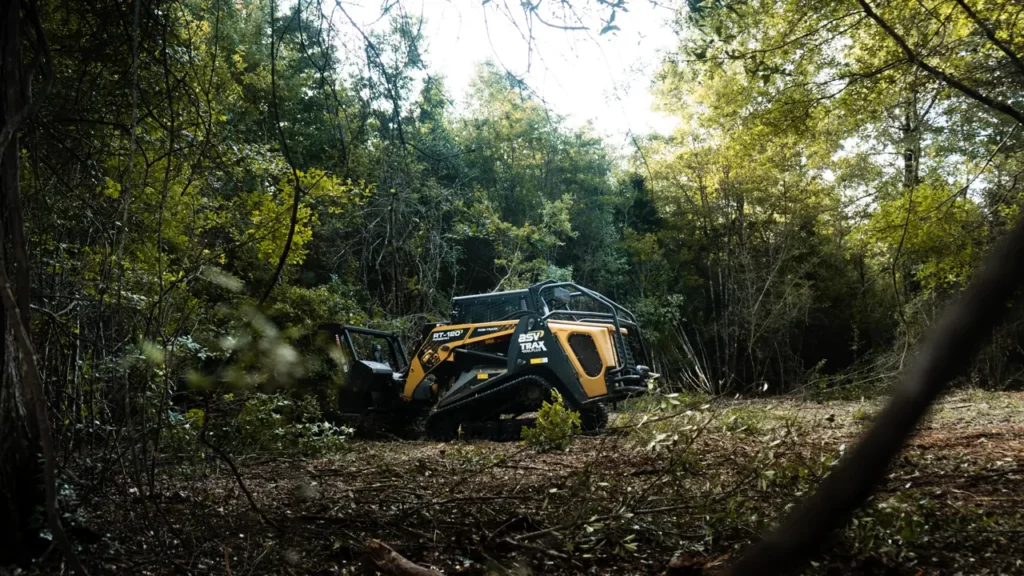
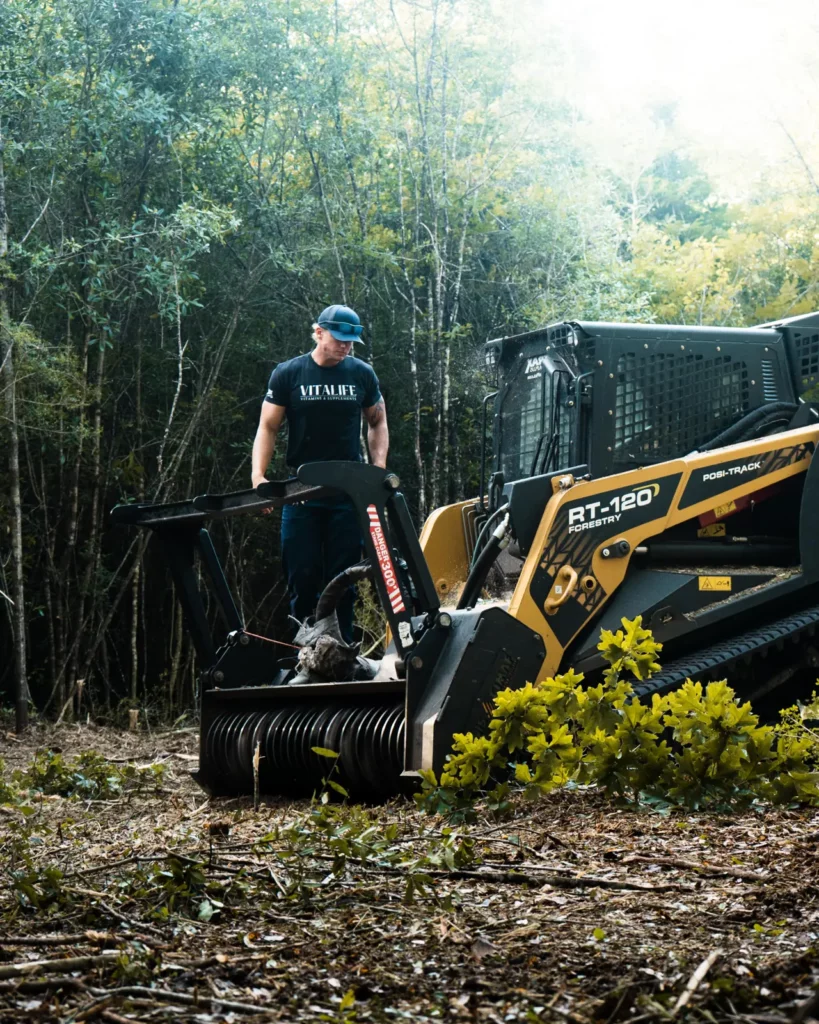
Most builders want fifteen to twenty-five feet of working room around the envelope, more on the side the concrete truck approaches from. Ask your builder before we quote, it’s cheaper to clear it once than to come back.
Yes, and mark them before we start. Worth knowing: a tree that spent thirty years inside a stand is not adapted to standing alone. Its root plate is shallow, it has no wind-firmness, and grade changes over the roots can kill it slowly. Keep them in groups where you can.
No. We rough grade the cleared ground and that’s where we stop. A pad that has to hit a compaction specification needs a grading contractor with the equipment and the testing to prove it. Better we tell you now than at the density test.
Immediately after rough grade, weather allowing. If we’ve had heavy rain the pad may need a few dry days regardless of what we’ve done.
The cut and the shaping, yes, see driveway cutting and regrading. We can also spread base rock you’ve had delivered. We don’t install culverts.
No. We work to a permit you hold, and we’ll tell you when we think you need one. Permit guide.
Call and you get John Williams, not an answering service and not a dispatcher. If it’s after hours or a Sunday, send the form and you’ll have a text back and a callback first thing.