

Wooded acreage opened up for a build, a well, a septic field, a driveway or a pasture. You mark what stays. We take the rest and leave the ground in the condition the next trade needs it in.
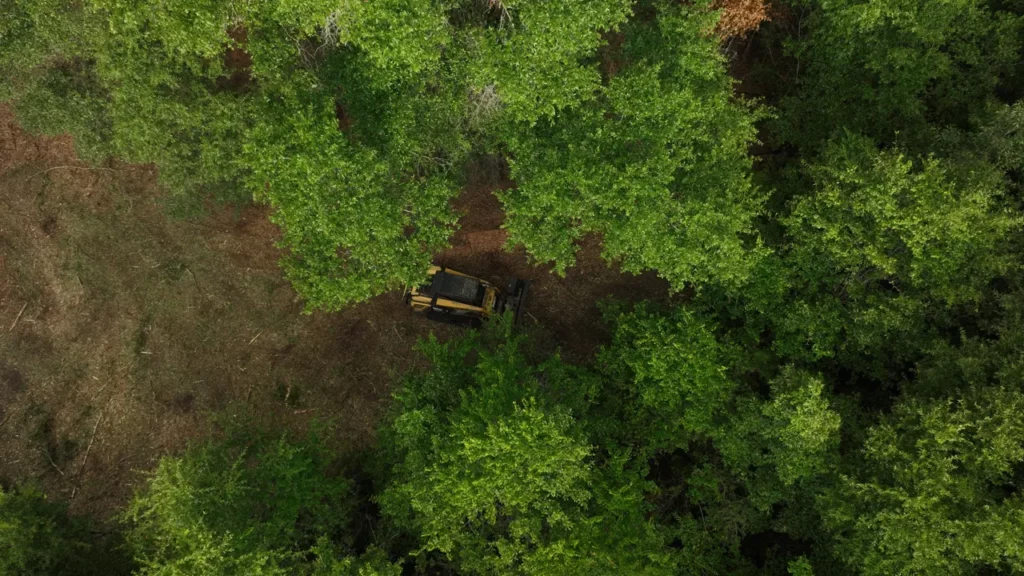
What are you doing with the ground? The answer changes the job and the price by a factor of two or more, and it’s the question a contractor who quotes over the phone never asks.
Then the stumps and root plates come out, the ground gets grubbed, and it gets rough-graded to a pad. That’s the expensive version, and it’s the right one.
Stumps have to go or your equipment will find them, but the grade matters less.
Then you probably want forestry mulching and you’ll spend about half as much.
A parcel a buyer can walk sells faster than one they can’t. That’s usually a mulch job with the boundary lines opened up. See land sellers and realtors.
No dump truck runs, no tipping fees, no trucking line on your invoice. What we do instead is mulch the material down where the machine can reach it, and windrow the rest into a pile on a corner of the property you choose. If you want it gone entirely, you’ll need a hauling contractor after us, or a burn permit held in your name, and we’ll tell you that at quote rather than after.
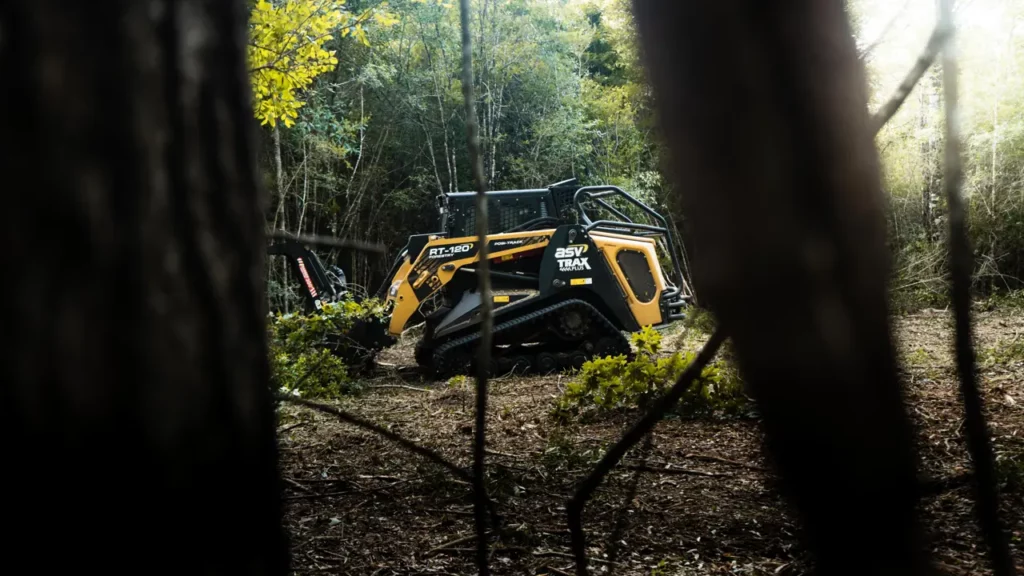
If there’s saleable pine or hardwood on the parcel, say so before we quote. On enough acreage a timber sale can offset a meaningful part of the clearing cost, and there are consulting foresters in this area who handle that properly. We’re not timber buyers and we won’t pretend to value your stand, but we’ll tell you if we think there’s something worth a forester looking at, and we’ll work around a harvest.
Wet-weather branches, seasonal ponds and delta-adjacent ground are common across this county, and clearing regulated wetland without authorisation is a federal matter, not a local one. If there’s standing water, a defined drainage, or ground that stays soft when everything around it is dry, we will raise it before we quote. It is not our call to make and it is not yours to guess at. More here.
| Job | Typical range | Note |
|---|---|---|
| Residential lot | $3,500-$5,500 | Stumps out, debris handled |
| Lot with pad prep | Quoted | Cleared, grubbed, rough-graded |
| Acreage to bare dirt | $3,000-$6,000 / acre | Full grub-out |
| Driveway or access cut | $1,200-$3,500 | Length, slope, culvert |
| Pasture reclamation | Quoted | Often cheaper: usually a mulch or bush hog job |
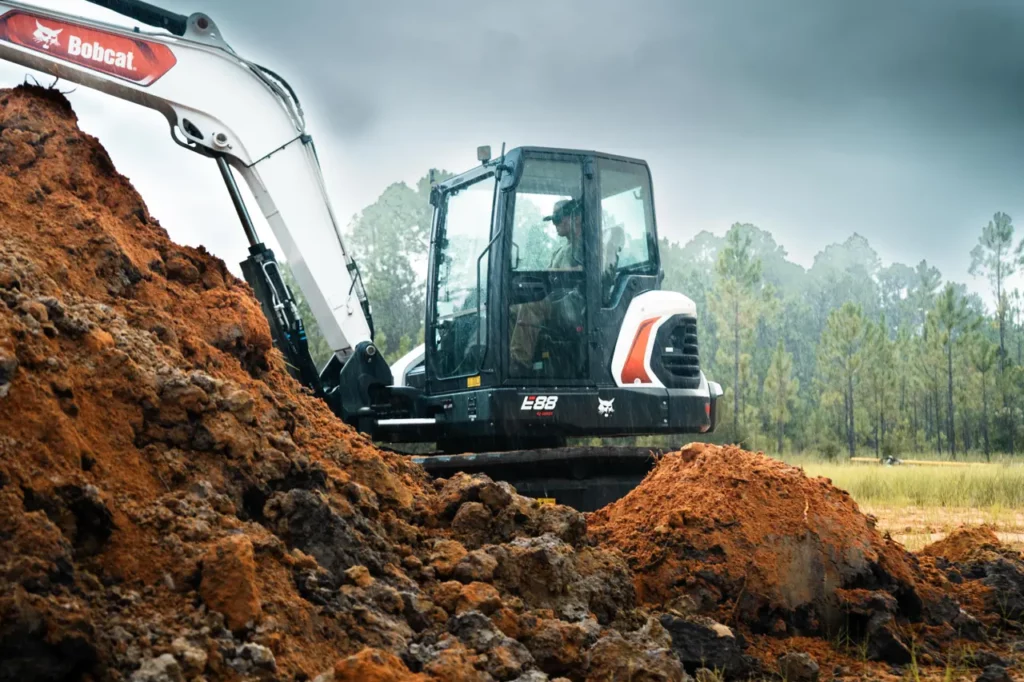
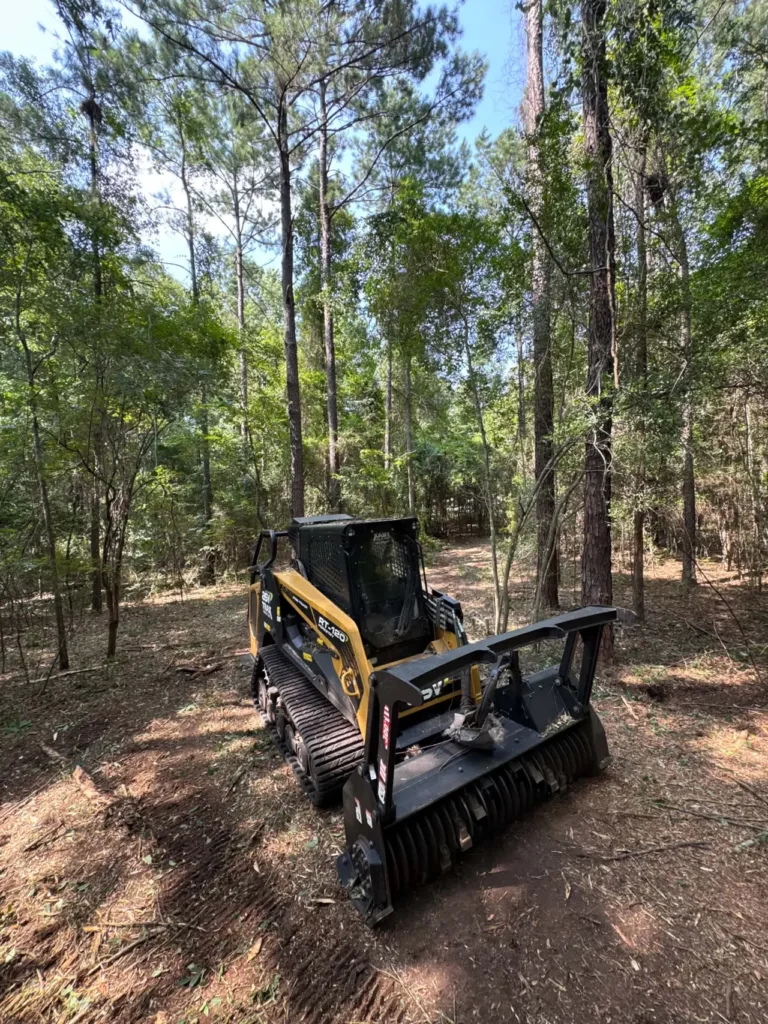
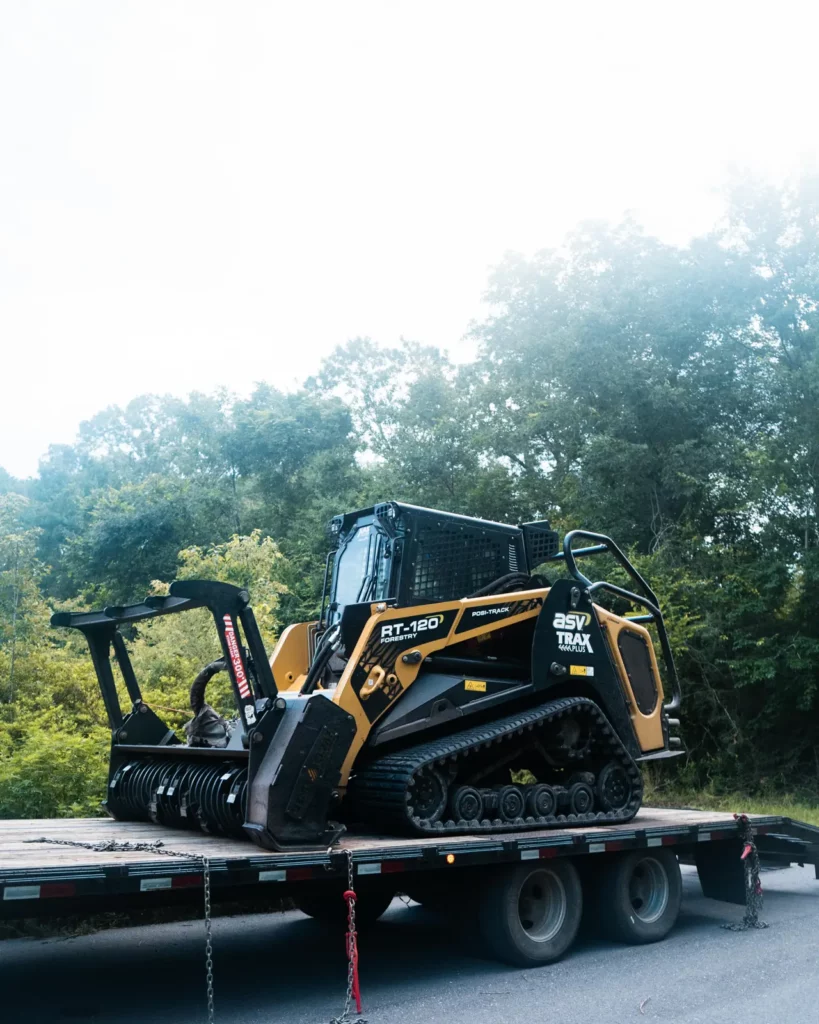
For full clearing to bare dirt, typically a quarter to three-quarters of an acre a day depending on stem size and how the debris is being handled. Mulching moves much faster because nothing has to be piled or hauled.
It depends on the jurisdiction, the acreage, and whether wetlands or a regulated drainage are involved. Inside Mobile city limits, land disturbance permitting is handled by the city. Outside them, it’s the county. Read the guide, then confirm with the jurisdiction, we’re contractors, not the permit office.
Mulched down where possible, or windrowed into a pile on a corner of the property. We do not haul debris off site. If you want it removed entirely, you’ll need a hauling contractor after us, or a burn permit in your own name. We’ll say which we think makes sense at quote.
Yes, if we know where it is. Bring a survey or we’ll open the boundary so a surveyor can shoot it, that’s survey line clearing. Clearing across a line you guessed at is one of the few genuinely expensive mistakes in this trade.
A tracked machine on a trailer is heavy. We look at the approach on the site walk and we’ll tell you honestly if we think your culvert or your drive is a problem. Better to know before than to argue about it after.
Call and you get John Williams, not an answering service and not a dispatcher. If it’s after hours or a Sunday, send the form and you’ll have a text back and a callback first thing.