Storm prep for wooded property

Home/Resources/Storm Prep

The properties that come through a storm best are the ones where the work was done in May. Here’s what actually matters.

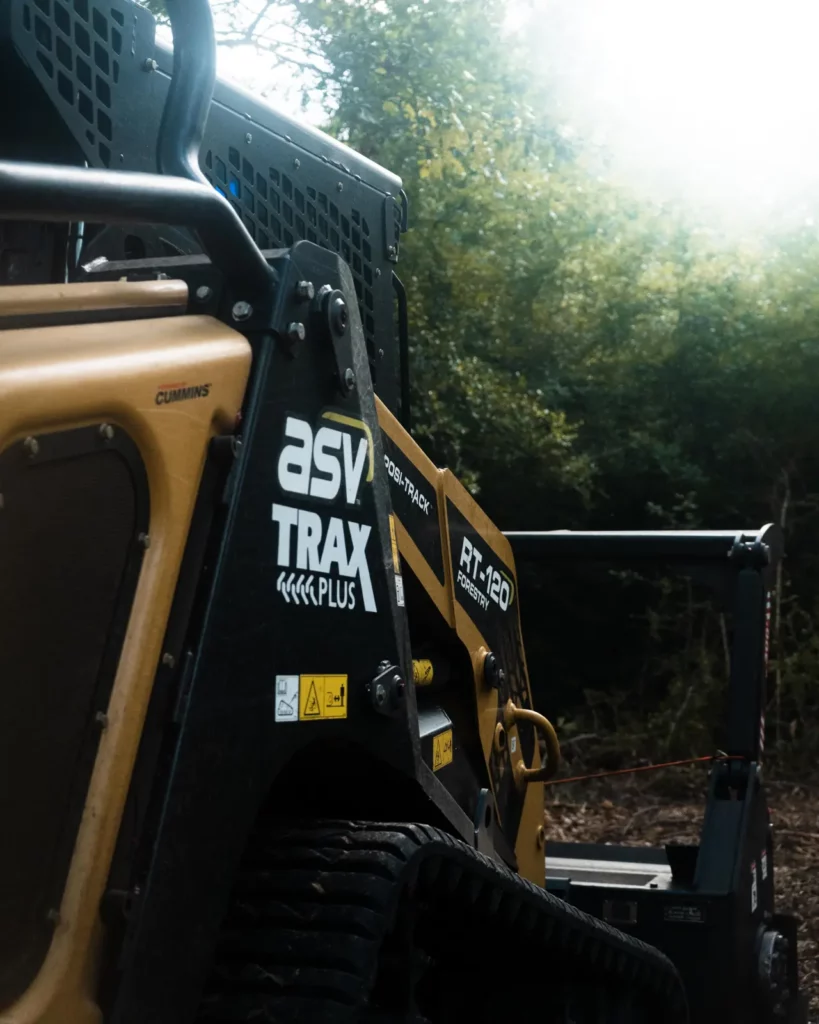
Side of the ASV RT-120 cab in the woods

What we see after every storm

The properties that come out worst have three things in common: overgrowth right up against the structures, one access road with a canopy over it, and dead or leaning stems that everybody had noticed and nobody had dealt with.

All three are fixable in a day or two, in May, for a fraction of what the cleanup costs.

The list, in priority order

  1. Clear around the structures. Thirty feet minimum around the house, the barn, the shop and anything with equipment in it. This does more for you than anything else on the list.
  2. Open the access road. If one tree across the drive means you can’t get out and nobody can get in, that’s your priority. Widen it and take the overhanging limbs.
  3. Deal with dead and leaning stems near anything that matters. They’re the ones that come down. If you’ve been walking past one for two years, this is the year.
  4. Second way out. On acreage, a rough second track to another road is worth more than people think.
  5. Clear around the well head, the septic and the generator. The things you’ll need working afterwards.
  6. Open the fence lines. Easier to find and repair a break when you can see the fence. Fence line clearing.
  7. Reduce heavy understory near structures. It becomes debris and it holds water against buildings.
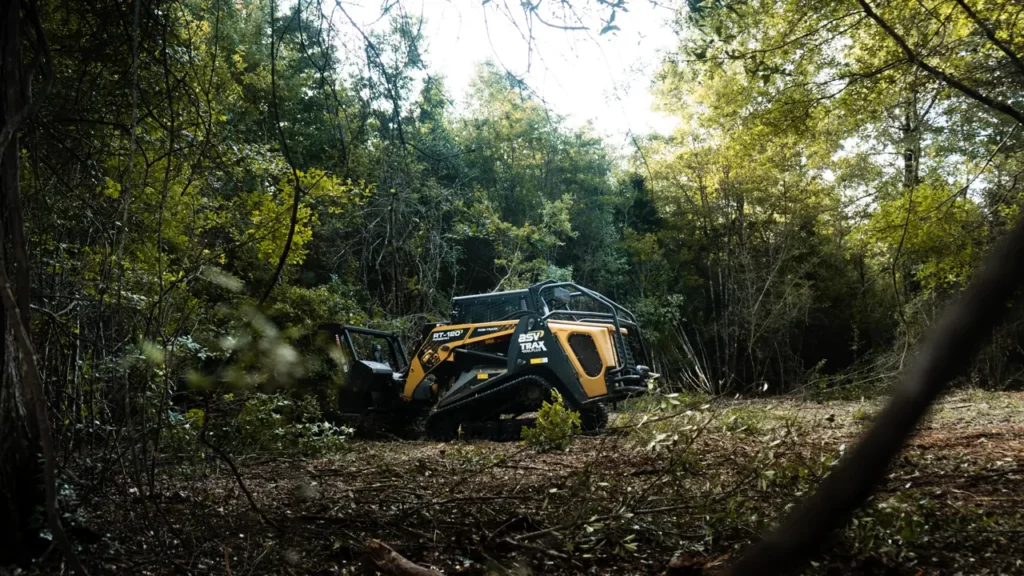
Forestry mulcher opening up a wooded lot, cleared ground in front

Before the season, not during

Once a storm is named, it's too late.

Every clearing contractor in this county is booked out the moment a system enters the Gulf, and afterwards everybody is booked for weeks. Late May is when this work is available, affordable and unhurried.

Photograph everything now

Walk the property with your phone before the season and photograph the structures, the outbuildings, the fences, the tree line and anything of value. Date-stamped. If you end up making a claim, before-photographs are worth a great deal and nobody ever has them.

After a storm

Assume every downed line is live.

Call the utility. Stay away.

Trees on structures, hung limbs and leaners are arborist work, not clearing work. A rigging job done with a clearing machine is how people get hurt.

Photograph before anything is moved, for your claim.

Ask your adjuster what they need before work starts, not after.

Be sceptical of contractors who show up unsolicited.

After every storm in this state there’s a wave of them. Ask for a local address, an insurance certificate and references, and don’t pay up front.

Ask about your parcel

Hours
Mon-Sat 6:00am-5:00pm
Closed Sunday
Minimum job
$1,000
What happens
Text back in 5 minutes · callback in 15 · we walk your property inside 48 hours · fixed written price inside 24 hours of that.
Six fields, 40 seconds

Tell us what's on the ground. We'll come look at it.

Call and you get John Williams, not an answering service and not a dispatcher. If it’s after hours or a Sunday, send the form and you’ll have a text back and a callback first thing.

Before you call

Have ready
The property address or parcel number, roughly how many acres you want opened, and what's growing on it: pines, hardwood, scrub, privet.
Don't have that?
Call anyway. We can pull it up on the county parcel viewer while we're on the phone.
Smallest job we take
$1,000
Out of state
$1,500 minimum in Mississippi.
Hours
Mon-Sat 6:00am-5:00pm · Closed Sunday